
Key takaways about ER Collets
- It is very important that you use the correct collet size for the diameter of the shank diameter of the tool. For example; Ideally a 6mm collet is used on a 6mm shank. Never squeeze your 1/8th” (3.175mm) router bit into your 3mm collet.
- Some collets are listed with a range like 3-4mm. this is a 4mm collet. if using a 3mm tool, its recommended you use a 3mm (2-3mm) collet
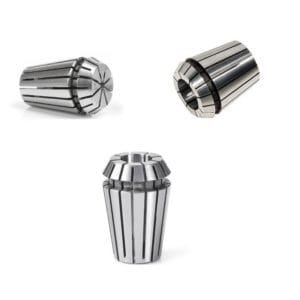
- It is very important that you use the correct collet family to suit the spindle or toolholder on QTC/ATC spindles. For example, ER16, ER20, ER25 or ER32
- To ensure you spindle and cutting tools live a long life, you should maintain your collets, replacing with any signs of damage.
- Collets should be replaced on a regular basis for the ware you cannot see and when the spring is lost.
- The tool is only inserted into the collet after the collet is seated correctly into the collet nut.
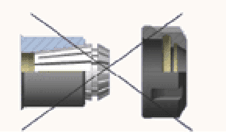
- Clean your collet and collet nut at EVERY tool change
- Never use a tool beyond its recommended RPM
- understand that cheap or worn collets, increase the run-out on the tool which can result in increased tool wear, vibrations and additional loads/stress on your spindle bearings
How to Install an ER Collet
- Choose the correct collet for your tool. Always stick to the cutter spec. If using a 3.175mm (1/8th inch) cutter, then use a 1/8th inch collet. Using the correct collet for your cutter will make tool mounting easier and safer.
- Make sure the collet and collet nut are clean and debris free
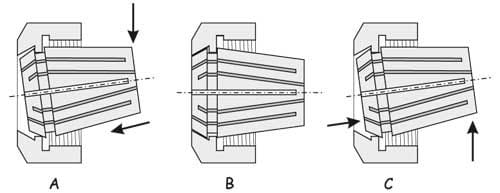
- Insert the collet into the collet nut until the collet seats. To do this, insert it on an angle, turn slightly and push it into the nut until it clicks into place on the flange. You should hear a “click”. NOTE: if you mount a collet incorrectly into the spindle it will damage the collet and worse the spindle.

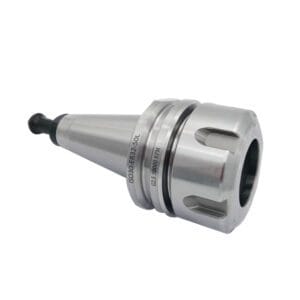
- Mount the collet nut (now with seated collet) into the spindle head fixture and loosely tighten by hand only – just so the collet is on the threads of the spindle. If using a QTC/ATC toolholder the collet gets mounted into the toolholder not the spindle.
- Insert the tool you wish to use. The tool is only inserted into the collet after the collet is seated correctly into the collet nut. (NOTE: you should have pre- selected your collet size for your tool choice)
- Mount the tool so that you have enough tool stick out to carry out your machining operation. Be careful not under collet causing flairing or over collet resulting in deforming the collet as it tries to squeeze onto the flutes of the cutting tool.
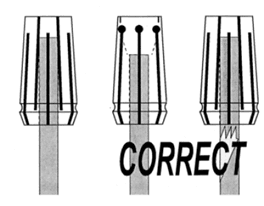
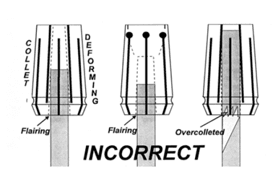
- The collet nut can now be used to tighten the collet into the spindle head/toolholder securing the cutter.
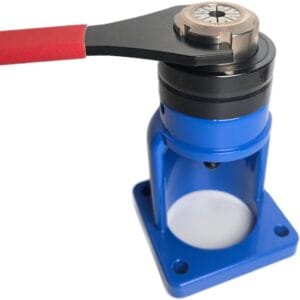
- In MTC spindles, the HF spindle needs a special collet spanner to hold the shaft of the spindle from turning while you tighten the collet nut with a separate spanner
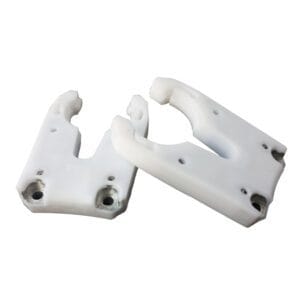
- For QTC or ATC spindle refer to the toolholder manual for tightening the collet nut arrangment
- NOTE: in both cases for MTC/QTC/ATC you need only use the strength of your wrists to tighten the collet nut and care should be taken not to overtighten by using all your upper body strength.
- Be careful as you do this as you can slip and damage the cutter or cut/injure yourself. You will be exerting a tightening force with the locking spanner around and near a sharp cutter. So be careful!
- Check the cutter is seated in the spindle and collet correctly by eye after you have installed the cutter and tightened the collet.
- Take extra care when loading a tool and ensure the tool is mounted correctly prior to running a tool path and turning on the spindle
How to remove ER Collet
- To remove the cutter, slacken and undo the nut until resistance is felt. Most spindles have a double locking mechanism on the spindle thread. Then, using a collet wrench, further undo the nut until the collet is released from the chuck body. Removal of the collet from the nut is the reverse of the mounting procedure.
How to maintain ER Collet
- Clean the collet and collet nut at EVERY Tool change. You must remove any dust, cutting fluid and debris which can be done with compressed air or a small brush. An old toothbrush can come in handy here.
- Inspect the ER Collet for signs of wear or damage. If the spring of the collet feels weak, looks distorted or out of round, replace the Collet immediately
- most collets are made from a spring steel which can be affected by moisture causing rust. A light machine oil for lubrication especially during periods of no use can protect the collet.
- a regularly used collet should be replaced every 3-6 months.
- As the tool and the loads become bigger the collet could be replaced every 5-10 tool replacements.
- as the collet mates with the internal taper of the CNC Spindle, you should also ensure that is clean, dust and rust free.
- When not in use, remove your cutting tool and collet from the assembly

Leave A Comment